
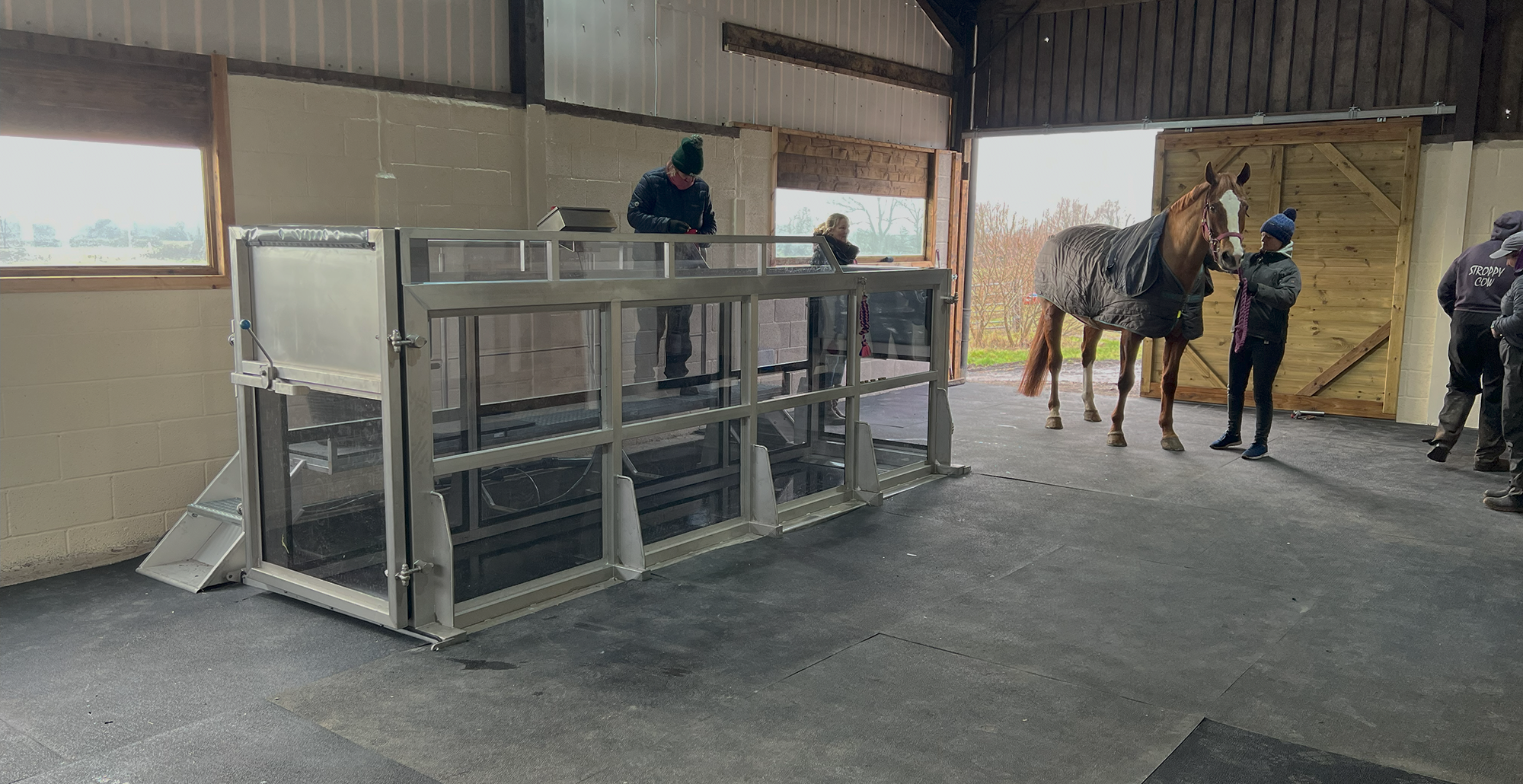
Equine Salt Therapy
Natural, drug-free halotherapy to support respiratory health, skin conditions, and overall equine wellness
Equine Salt Therapy (halotherapy) is a natural, drug-free treatment that uses aerosolised microparticles of pharmaceutical-grade sodium chloride delivered in a controlled environment. Originally adapted from speleotherapy, the therapeutic use of natural salt mine conditions, modern halotherapy provides the same benefits in a purpose-built setting. Research demonstrates its effectiveness for respiratory conditions, including Equine Asthma Syndrome, while also supporting skin health and overall wellness [1], [2].
How Equine Salt Therapy Works
- Micronised salt particles (1–5 microns) are generated by a specialist halogenerator and inhaled deep into the respiratory tract, reaching the lower airways where they dissolve in the mucus layer [1].
- Anti-inflammatory properties help reduce oedema and irritation in the bronchial mucosa, supporting horses with inflammatory airway conditions [2].
- Antimicrobial effects of the salt environment help create conditions unfavourable to bacteria and pathogens in the respiratory system [2].
Key Benefits for Your Horse
Respiratory Health
Clinical studies show salt therapy can improve arterial blood oxygenation and reduce clinical signs of mild equine asthma. Horses demonstrate statistically significant improvements in PaO2 and oxygen saturation after treatment [1].
Skin & Coat Condition
Salt particles that contact the skin can support healing of various dermatological conditions, including mud fever, rain scald, and general skin irritation, promoting a healthier coat [4].
Who Is It For?
- Horses with Respiratory Conditions: Those diagnosed with Inflammatory Airway Disease (IAD), mild equine asthma, chronic coughing, or exercise intolerance due to respiratory issues [1].
- Competition & Sport Horses: Athletes seeking to maximise respiratory efficiency, improve oxygen uptake, and maintain peak condition throughout the season [4].
- Horses with Skin Conditions: Those suffering from mud fever, sweet itch, rain scald, or other dermatological issues that may benefit from salt's natural healing properties.
- Preventative Care: Any horse exposed to dusty stable environments, hay allergens, or other airborne irritants can benefit from regular sessions to maintain airway health [2].
What to Expect in a Session
Each salt therapy session typically lasts 45 minutes. Your horse will be in an enclosed stable connected to a generator that produces a consistent stream of dry salt aerosol. Most horses adapt quickly and remain calm throughout. For optimal results, treatment protocols typically run over several consecutive days, followed by maintenance treatments as needed.
Why Choose Our Salt Therapy Service?
- Evidence-based protocols informed by veterinary research and clinical studies.
- Professional-grade halogenerator equipment delivering consistent, therapeutic-level salt aerosol.
- Experienced handlers ensuring a calm, stress-free environment for every session.
- Complementary to our water treadmill services for comprehensive rehabilitation and conditioning programmes.
Support Your Horse's Respiratory Health
Whether your horse is managing a respiratory condition, preparing for competition, or simply maintaining optimal health, our Equine Salt Therapy offers a natural, drug-free approach to wellness. Contact us to discuss how halotherapy can benefit your horse.
Book a ConsultationReferences
- 1.Condor, L. et al. (2022). The Effect of Dry Saline Aerosol Therapy on Arterial Blood Gas Parameters in Horses with Mild Equine Asthma. Rev Rom Med Vet, 32(2):51-58. Link
- 2.Chervinskaya, A.V. & Zilber, N.A. (1995). Halotherapy for Treatment of Respiratory Diseases. Journal of Aerosol Medicine, 8(3):221-232. Link
- 3.Anderson, S.D. et al. (1997). The Effect of Inhaling a Dry Powder of Sodium Chloride on the Airways of Asthmatic Subjects. European Respiratory Journal, 10(11):2465-2473. Link
- 4.Bar-Yoseph, R. et al. (2017). Halotherapy as Asthma Treatment in Children: A Randomized, Controlled, Prospective Pilot Study. Pediatric Pulmonology, 52(5):580-587. Link